All-in-one bundle
The Digital Neuron core (MoE · dual verification), memory layer, data connectors and router are bundled into a single framework. No separate assembly required.
ALL-IN-ONE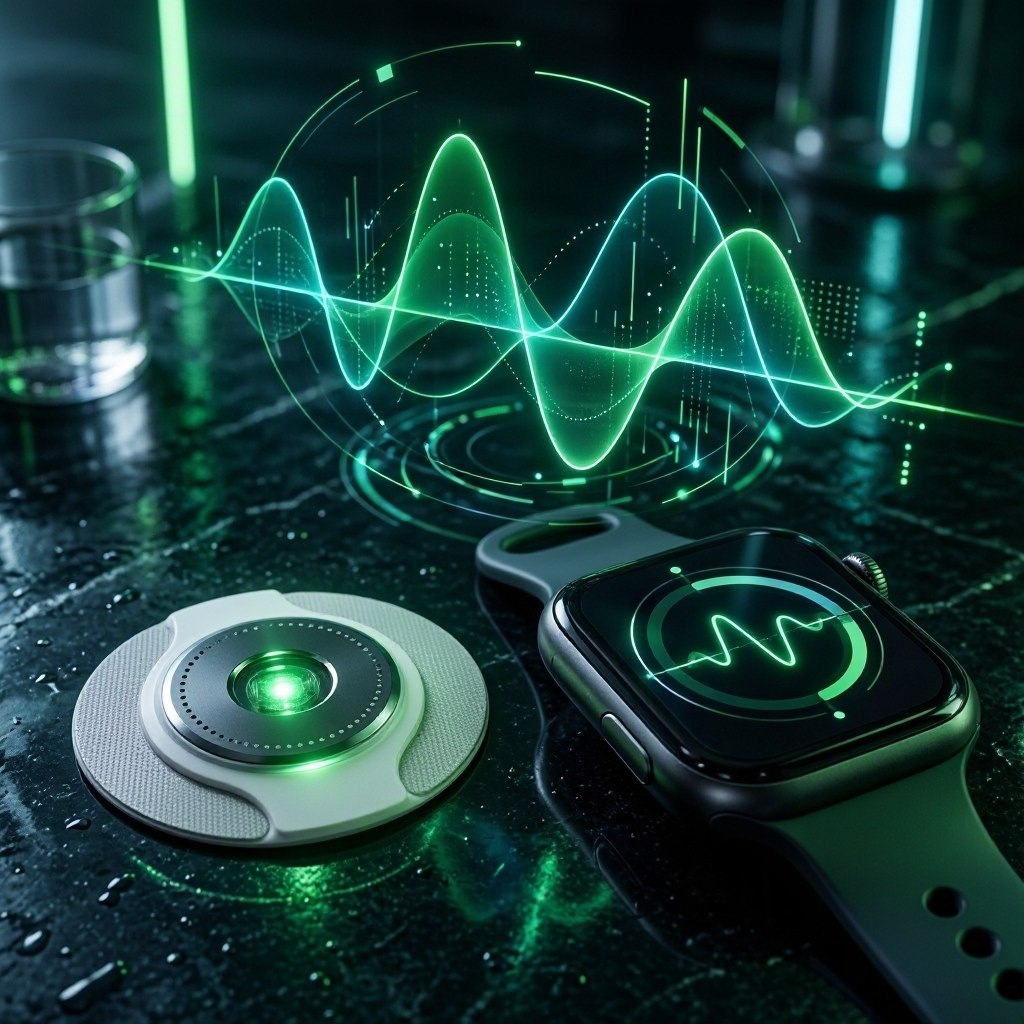
FRAMEWORK / MARCH ENGINE ✓ VERIFIED
An all-in-one framework that builds agents through configuration.
Inference core, memory, verification and data connectors are bundled together, producing domain agents in runnable form from setup alone.
Being developed as an assistive system that does not replace clinical judgment. Accuracy figures are development targets; the biosignals on screen are simulated.
01 / AGENT FRAMEWORK ✓ VERIFIED
The March Engine is not a single-purpose analyzer. It bundles inference, memory, verification and connectors into one package — a framework where domain agents are configured at the setup stage.
The Digital Neuron core (MoE · dual verification), memory layer, data connectors and router are bundled into a single framework. No separate assembly required.
ALL-IN-ONEDomain, expert clusters, memory scope and verification policy are defined through configuration, minimizing from-scratch coding.
SETUP-DRIVENOnce setup is complete, a domain agent is produced in runnable form. The build process itself lives inside the framework.
AGENT BUILDThe wearable & medical analysis agent (med.comma cluster) is the first reference. The same setup approach extends to other domains.
MEDICAL REF02 / REFERENCE DOMAIN · MEDICAL ✓ VERIFIED
Sensor signals, clinical records and patient statements are cross-referenced, building a multi-layer evidence base for symptom analysis. The framework's data connectors bind these axes into a standard form.
Wearable optical heart-rate and blood-flow waveforms. Analyzes patterns and anomalies in continuous biosignals.
WEARABLE SIGNALIntegrates clinical monitoring indices such as anesthesia and sedation depth, cross-checking changes in patient state.
CLINICAL INDEXStructures diagnoses, prescriptions and test histories from electronic medical records as evidence for analysis.
CLINICAL RECORDCross-checks patient statements and symptom descriptions against signals and records, assisting verification of discrepancies.
PATIENT INTAKE03 / MoE ROUTING ✓ VERIFIED
Expert clusters defined in setup (such as med.comma) are selectively activated from the MoE pool. A 482B activation ceiling keeps compute and memory in check — and routing policy is part of the configuration too.
| Product nature | Agent framework — all-in-one bundleInference core · memory · verification · connectors · router, integrated |
|---|---|
| Build method | Setup-driven agent buildDefine domain · experts · memory scope · verification policy |
| Architecture | Mixture of Experts — shares the Digital Neuron core |
| Expert clusters | Medical and biosignal domain experts such as med.comma |
| Activation ceiling | 482BSelective activation ceiling per inference |
| Integrated data | PPG · BIS · EMR · patient intake · wearable streams |
| Verification | Dual cross-verification — assistive check of record agreement |
| Accuracy target | 95%+ symptom analysisDevelopment target · pilots in progress |
| Role | Assists clinical judgment — not a replacement for diagnosis |
The March Engine is an assistive system that checks stored records and verifies whether information agrees. Final judgment always belongs to clinicians; regulatory compliance and data-handling principles are reviewed during the pilot stage against the adopting institution's requirements.
Presents the record and signal evidence referenced alongside each analysis result.
Flags discrepancies between signals, records and statements to prompt re-checking.
Supports clinicians' decisions without replacing them.
NEXT / CORE
The March Engine runs on the Digital Neuron core. Review the architecture and verification structure first.